Confidential recovery San Diego
Confidential Recovery offers an intensive outpatient program for adults in San Diego. SAMHSA FindTreatment.gov lists it among 60 facilities. Care is structured and does not involve staying overnight, and the Joint Commission accredits the center.
- Joint Commission
- Co-Occurring Mental Health
- Outpatient
- 30 days
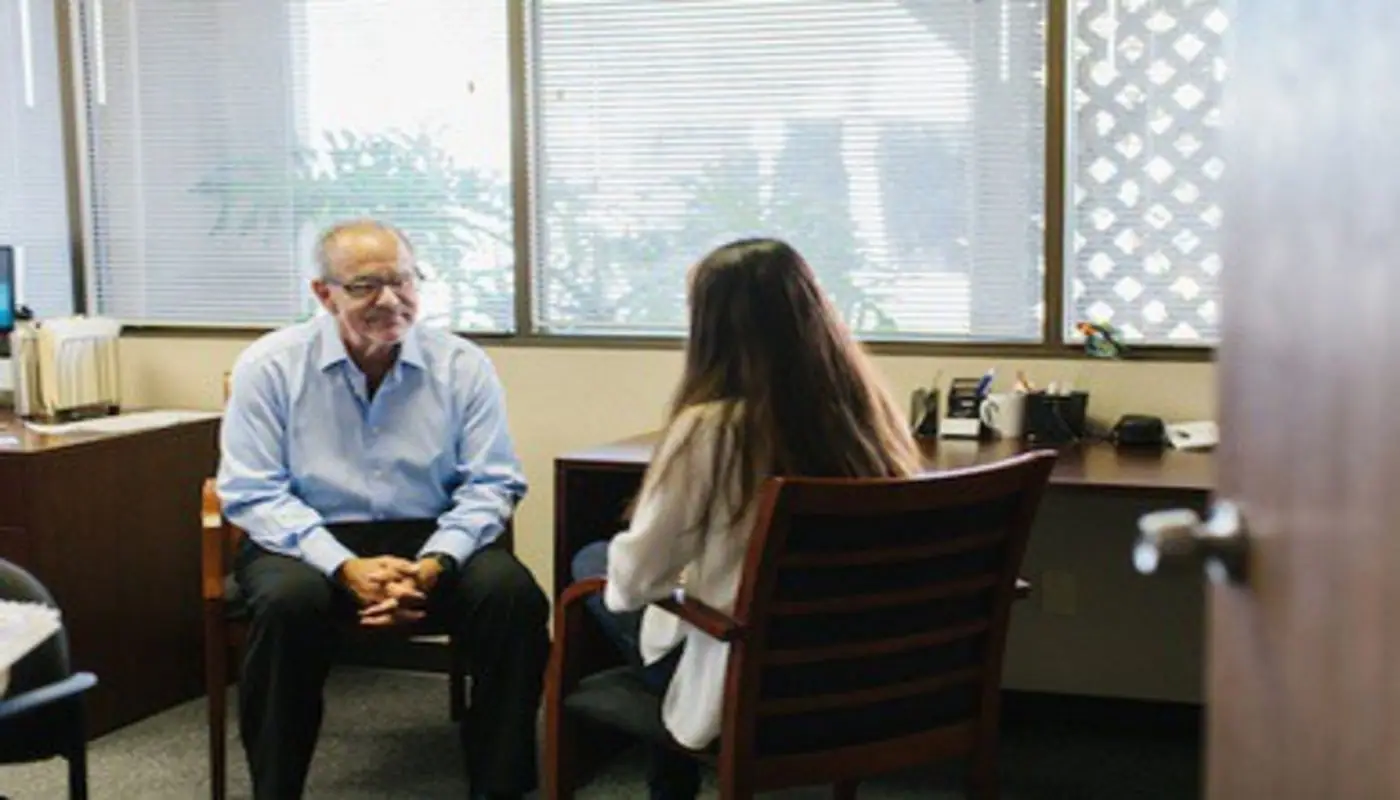
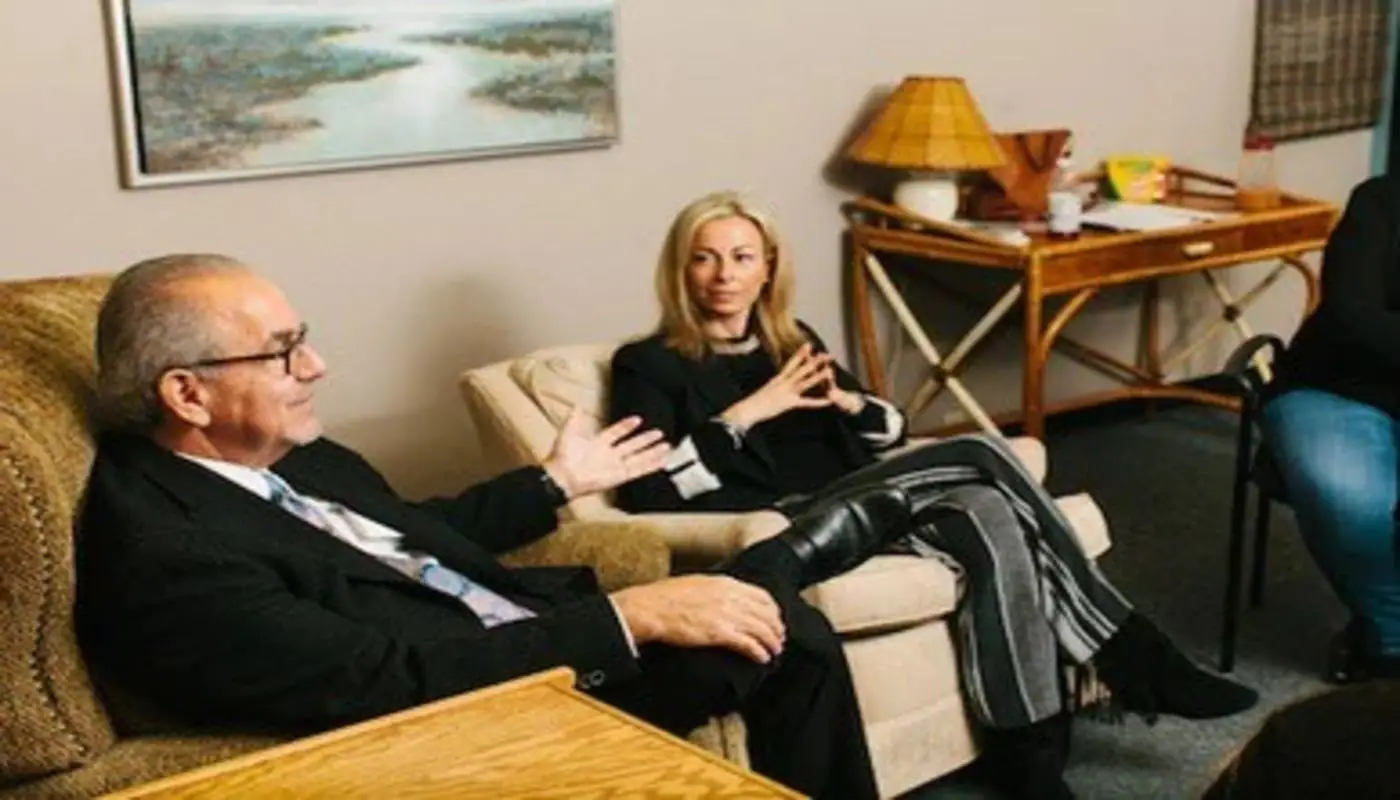
Confidential Recovery is located on Hotel Circle Court in San Diego, an address that suits people who need structured care while remaining involved with their jobs or families. The program combines evidence-based therapies with hands-on supports. Treatment is built around the individual, and the clinical team treats substance use and mental health side by side instead of running them as separate tracks.
The center's clinicians provide individual counseling and group therapy grounded in approaches including cognitive behavioral therapy, acceptance and commitment therapy, dialectical behavior therapy, and EMDR. A 12-Step orientation shapes the program, and participants go to community recovery meetings each week. One team member is a veteran in recovery, bringing lived experience to the veterans track and to work with families. If you are weighing outpatient programs, then ask how the center shapes a schedule around your commitments.
Programs at Confidential Recovery
The center provides outpatient care, and mental health needs alongside substance use are treated at the same time, with a typical length of 30 days. In practice that means a number of treatment hours weekly with no overnight stay. Therapy choices include individual counseling, group work, acceptance and commitment dialectical behavior therapy along with cognitive behavioral therapy and therapy and EMDR. Clients are also introduced to the 12-Step program and to meditation and mindfulness practice, and online therapy is available when coming in person is not workable.
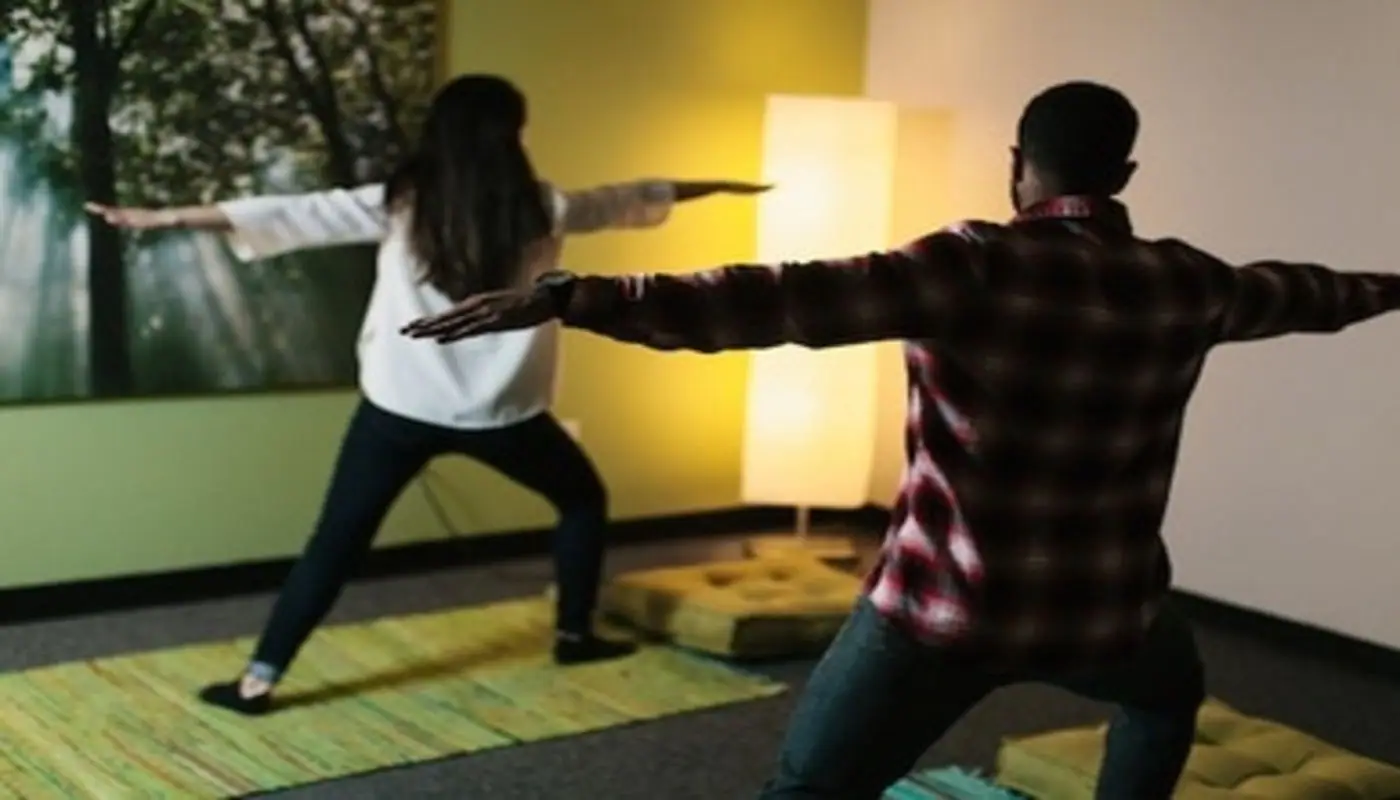
The program follows a 12-Step model and expects participants to attend community recovery meetings through a group they select, such as AA, SMART Recovery, or Refuge Recovery. The center also coordinates sessions led by outside specialists in areas such as yoga, music therapy, and hypnotherapy. A dedicated veterans track adds family therapy, mindfulness-based stress reduction, and care for post-traumatic stress disorder. If you are a veteran, then confirm how the veterans track and TriWest billing work together before you enroll.
- Individual Treatment
- Dialectical Behavior Therapy
- 1-on-1 Counseling
- Online Therapy
- Eye Movement Therapy (EMDR)
- Twelve Step
- Cognitive Behavioral Therapy
- Meditation & Mindfulness
- Introduction to the 12 Step Program
- Evidence-Based
Whom this program is designed to serve
- Men and women dealing with a substance use disorder, including alcohol, cocaine, opioid, and prescription drug issues
- Adults who additionally have a co-occurring mental health condition, for example post-traumatic stress disorder
- Veterans, through a dedicated track that addresses PTSD and family concerns
- Professionals who need outpatient care and cannot put their careers on hold
- People who are ready to attend community recovery meetings at least three times a week
Stay length, setting, and spoken languages
Treatment usually lasts 30 days, and it is delivered on an outpatient basis at the Hotel Circle Court site. Sessions are conducted in English, and online therapy lets some clients keep their appointments when showing up in person is not possible. Since the program is outpatient, most people sleep at home and carry on with normal routines between sessions. If you need a language besides English, then ask about interpreter options before you schedule.
Paying for treatment in San Diego
Out-of-pocket rates as one option, and insurance gets checked over the phone before you commit to anything. What your plan covers depends on your policy, your diagnosis, and the level of care a clinician recommends. If your insurer wants a diagnosis before it approves outpatient care, then ask the center to walk you through the verification process.
Things to ask before enrolling
- For someone with my needs, how many days a week does the intensive outpatient schedule meet?
- How does the facility coordinate care with the therapist or prescriber I already see?
- Which therapist would handle my case, and how many clients does that person see?
- For veterans, how does TriWest or VAPC3 billing get processed?
- If a more intensive level of care is needed later, where does the center refer people?

Other centers in San Diego
-
Healthy Life Recovery Detox and
4.9/5109 visitor ratings on Google
San Diego, CA · 30 days · 6-15 beds
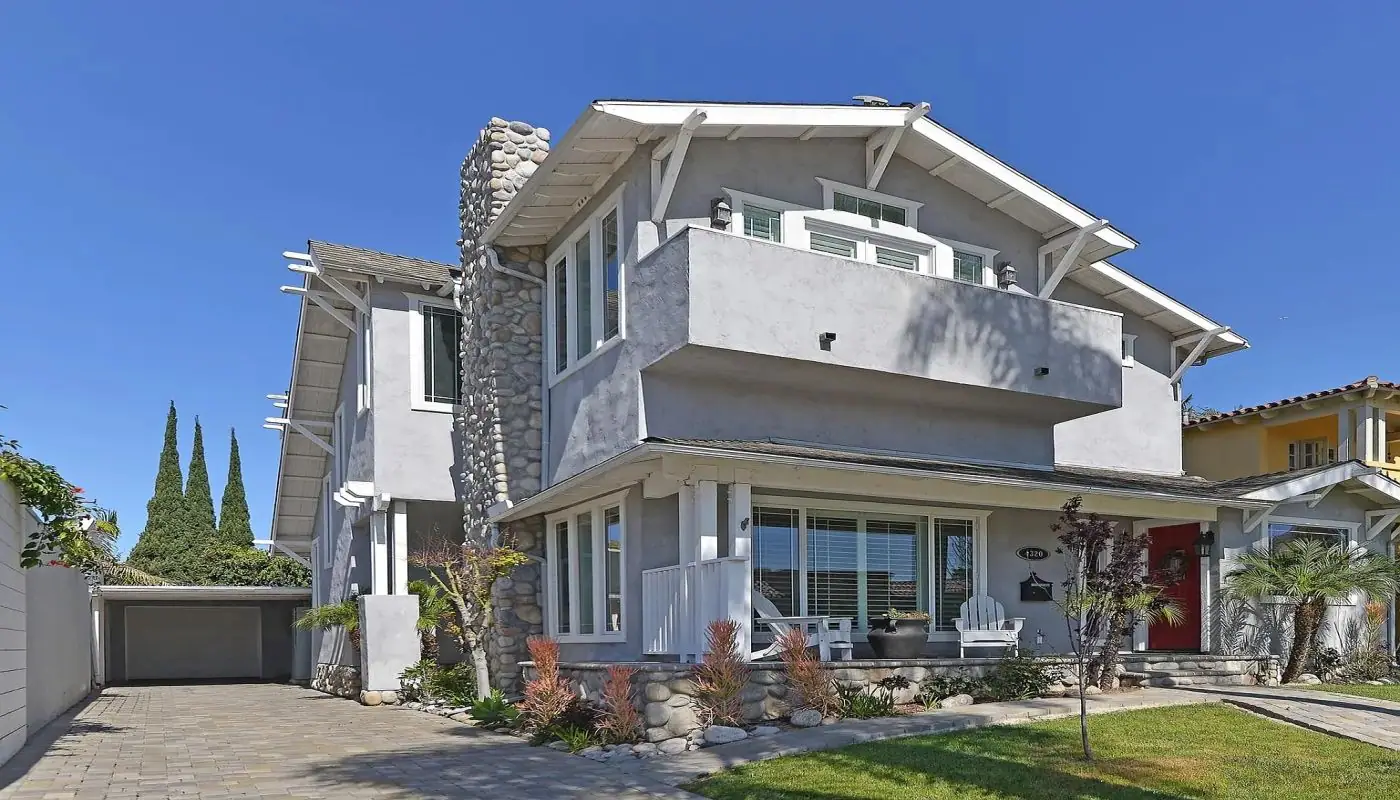
Healthy Life Recovery Detox and Residential is on Trias Street.
- Joint Commission
- Residential Rehab
- Co-Occurring Mental Health
- Detox
-
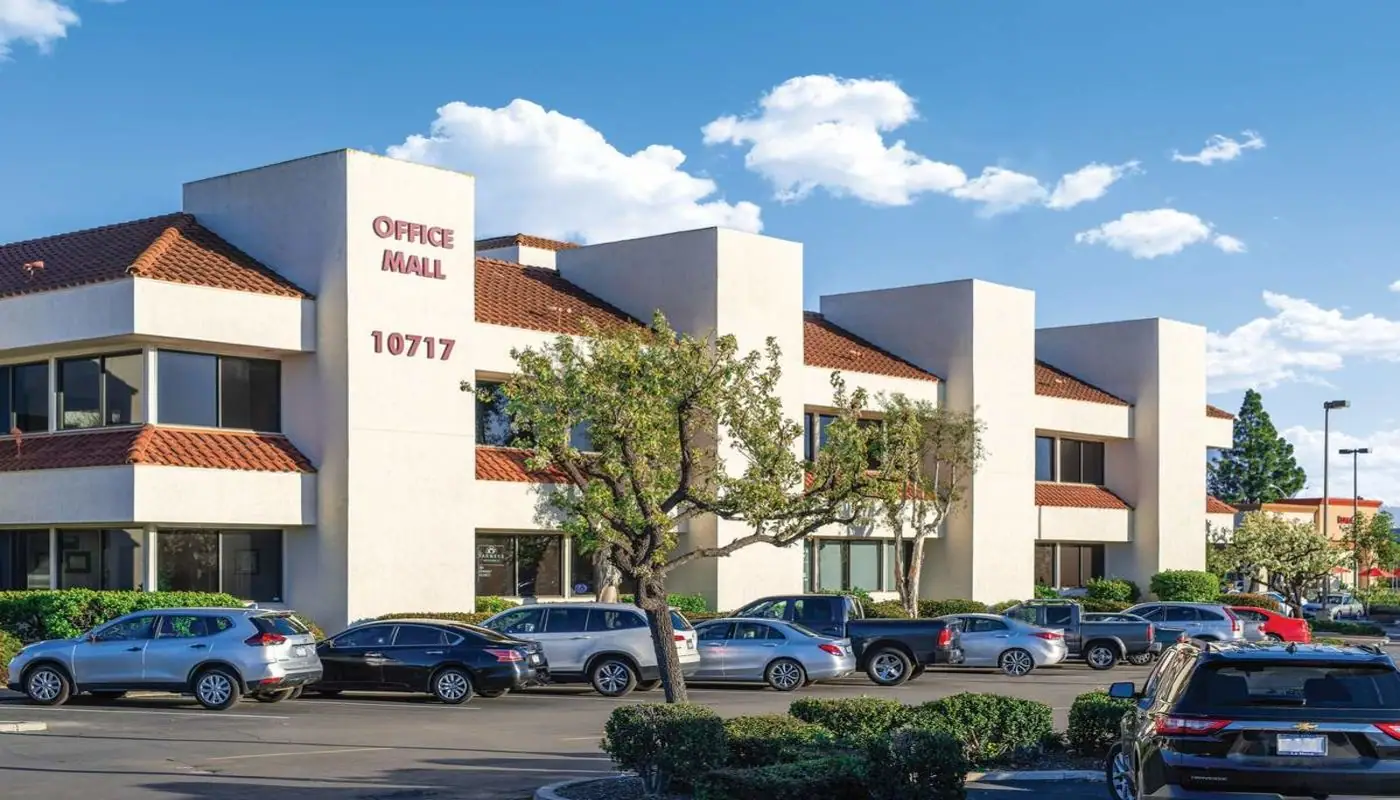
Douglas Young Wellness Recovery Center
3.7/516 visitor ratings on Google
San Diego, CA · 30+ days
An outpatient clinic in Mira Mesa, Douglas Young Wellness Recovery Center San Diego has provided care since 1977 and works with adults 18 and older.
- Co-Occurring Mental Health
- Outpatient
-
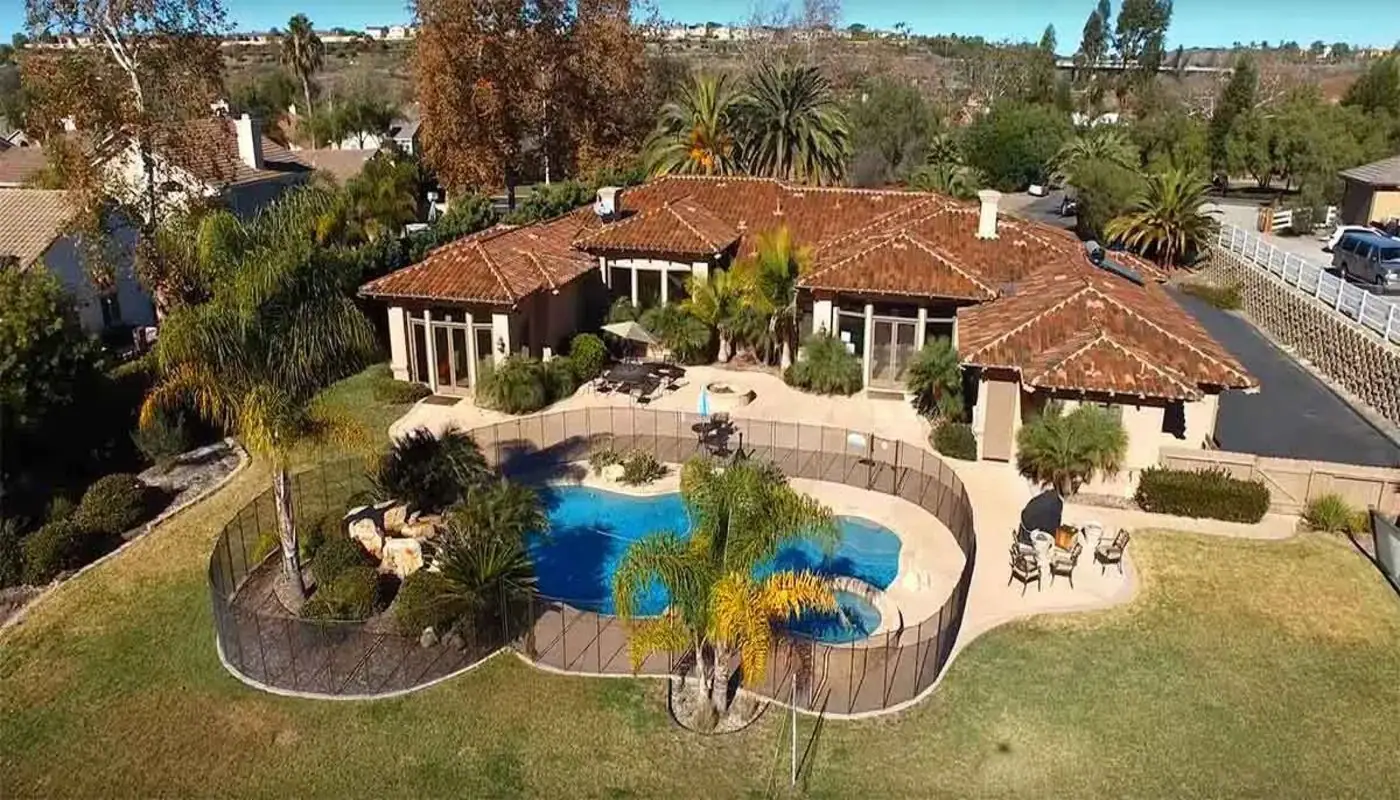
Center for Discovery Del Mar
1.4/510 visitor ratings on Google
San Diego, CA · 30 days
Center for Discovery Del Mar San Diego offers residential care for eating disorders and co-occurring conditions.
- Joint Commission
- Residential Rehab
-
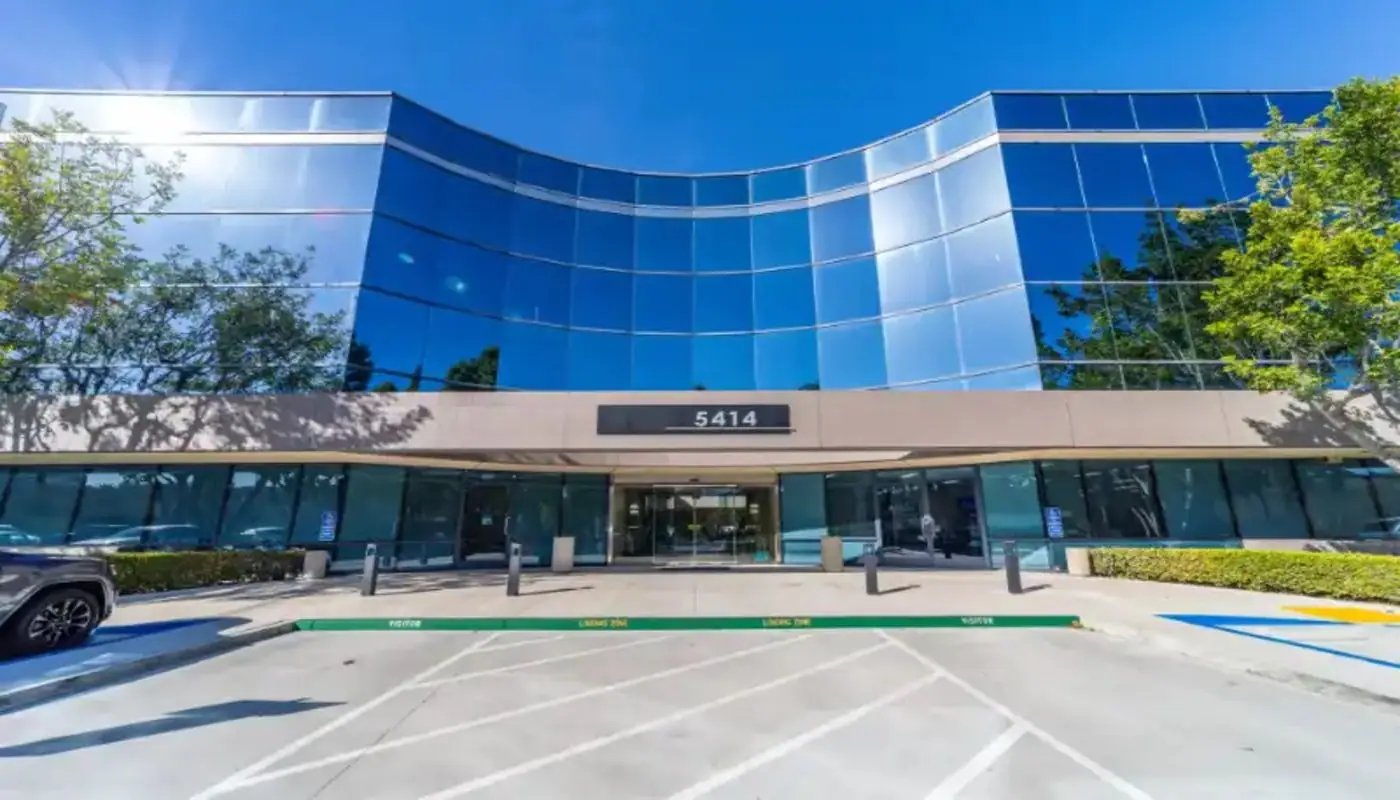
Discovery Mood & Anxiety Program San
3.5/513 visitor ratings on Google
San Diego, CA · 30 days
Discovery Mood & Anxiety Program San Diego is an outpatient mental health option for teenagers.
- Joint Commission
- Outpatient
-
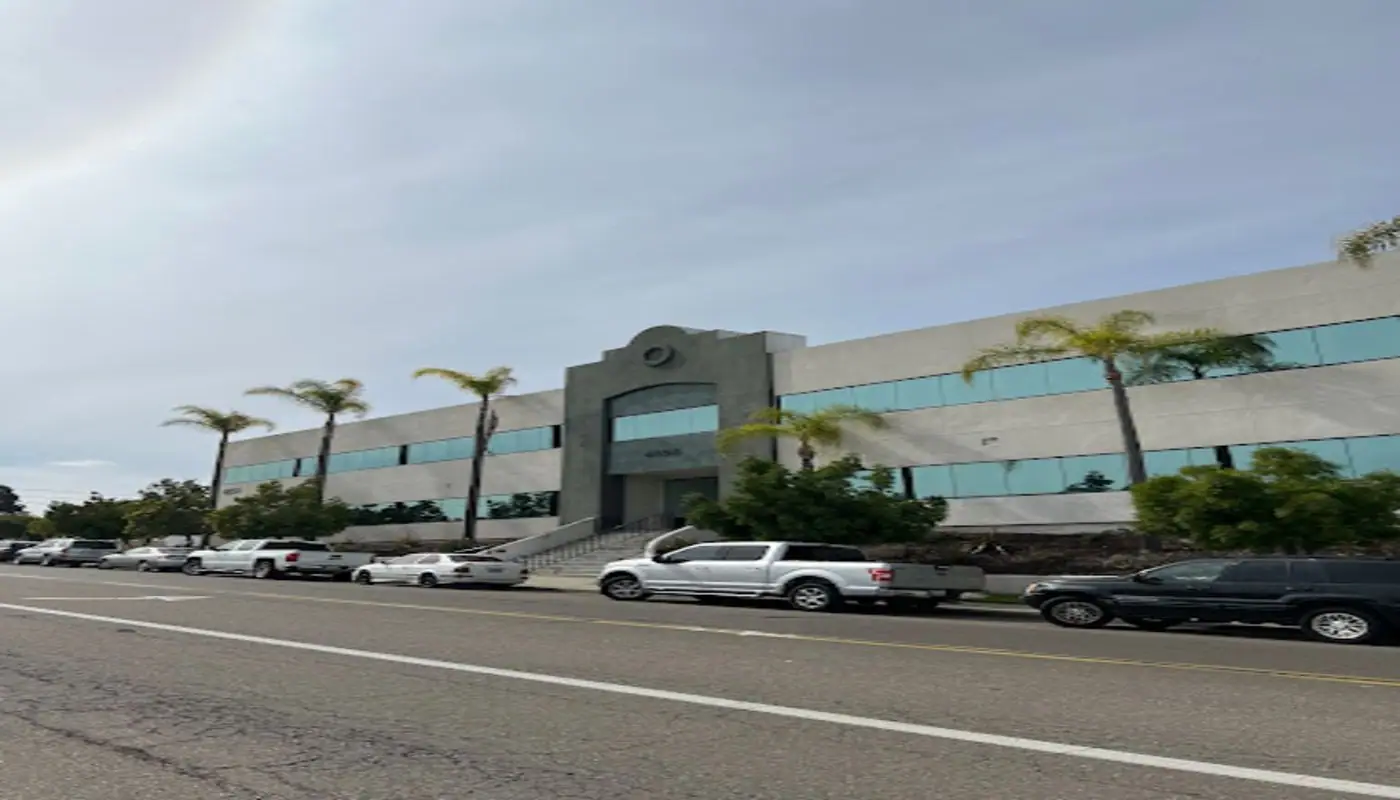
Assure Recovery Center
4.9/579 visitor ratings on Google
San Diego, CA · 90 days · 31-50 beds
This guide explains how Assure Recovery Center San Diego structures its outpatient programs and what to verify before enrolling.
- Joint Commission
- Co-Occurring Mental Health
- Outpatient
-

Apex Recovery
4.4/5118 visitor ratings on Google
San Diego, CA · 30 days · 16-30 beds
Apex Recovery San Diego opened in 2013 near the Pacific.
- Co-Occurring Mental Health
- Detox

Questions people ask
Is Confidential Recovery a confidential recovery San Diego program?
Yes. Confidentiality is named as a priority, and the center delivers outpatient care on Hotel Circle Court. It is one of 60 facilities shown on SAMHSA FindTreatment.gov for the area. The helpline connects callers to licensed providers by way of trained advisors, costs nothing, keeps things private, and commits the caller to nothing. If you want a confidential recovery San Diego consultation, then call the helpline to ask about availability and insurance verification at Confidential Recovery.
What levels of care does Confidential Recovery offer?
Outpatient services are available here, and mental health needs alongside substance use are treated as well, with most programs running about 30 days. Counseling approaches offered include dialectical behavior therapy, cognitive behavioral therapy, acceptance and commitment therapy, EMDR, and group counseling. If residential care is what you need, ask where the center refers people before you enroll. Check that the level of care fits what you need.
Does Confidential Recovery accept insurance or Medicaid?
Out-of-pocket rates, and insurance gets verified over the phone before you commit. Whether Medicaid or a plan pays for part of the cost hinges on your diagnosis, your plan, and the level of care. Check eligibility with your insurer and the center first. If your coverage is unclear, then call the helpline to ask how verification works before scheduling an intake.
Does Confidential Recovery treat veterans?
Yes, a dedicated veterans track addresses substance use and post-traumatic stress disorder through evidence-based treatment, family therapy, mindfulness-based stress reduction, and yoga. The team includes a veteran in recovery. The center partners with TriWest and is recognized as a Veterans Affairs Patient-Centered Community Care provider. When you are a veteran weighing this rehab in San Diego, then ask how the center coordinates with VA benefits.
How long do people typically stay at Confidential Recovery?
Most programs last 30 days, but personalized plans can differ according to clinical requirements. The intensive outpatient schedule meets several times a week without overnight stays. If you need a longer course, then ask the center how extensions are handled. The helpline can help you compare timelines across the 60 listed facilities.