
Evolve Teen Treatment Encinitas
Evolve Teen Treatment Encinitas serves adolescents in a small residential home. The Dove Song program holds 2 to 5 beds and dates to 2014, per SAMHSA-listed details. Care pairs evidence-based therapy with school hours and family involvement.
- Joint Commission
- Detox
- 60 days



Evolve Teen Treatment - Dove Song is a residential program in Encinitas for teens between 12 and 17 who are dealing with mental health and substance use concerns together. The house is licensed and has staff on site around the clock, so teens live there while going to therapy and keeping up with schoolwork on weekdays. The small size is intentional: with just a handful of beds, the clinical team can revisit each teen's plan frequently and adjust as goals change.
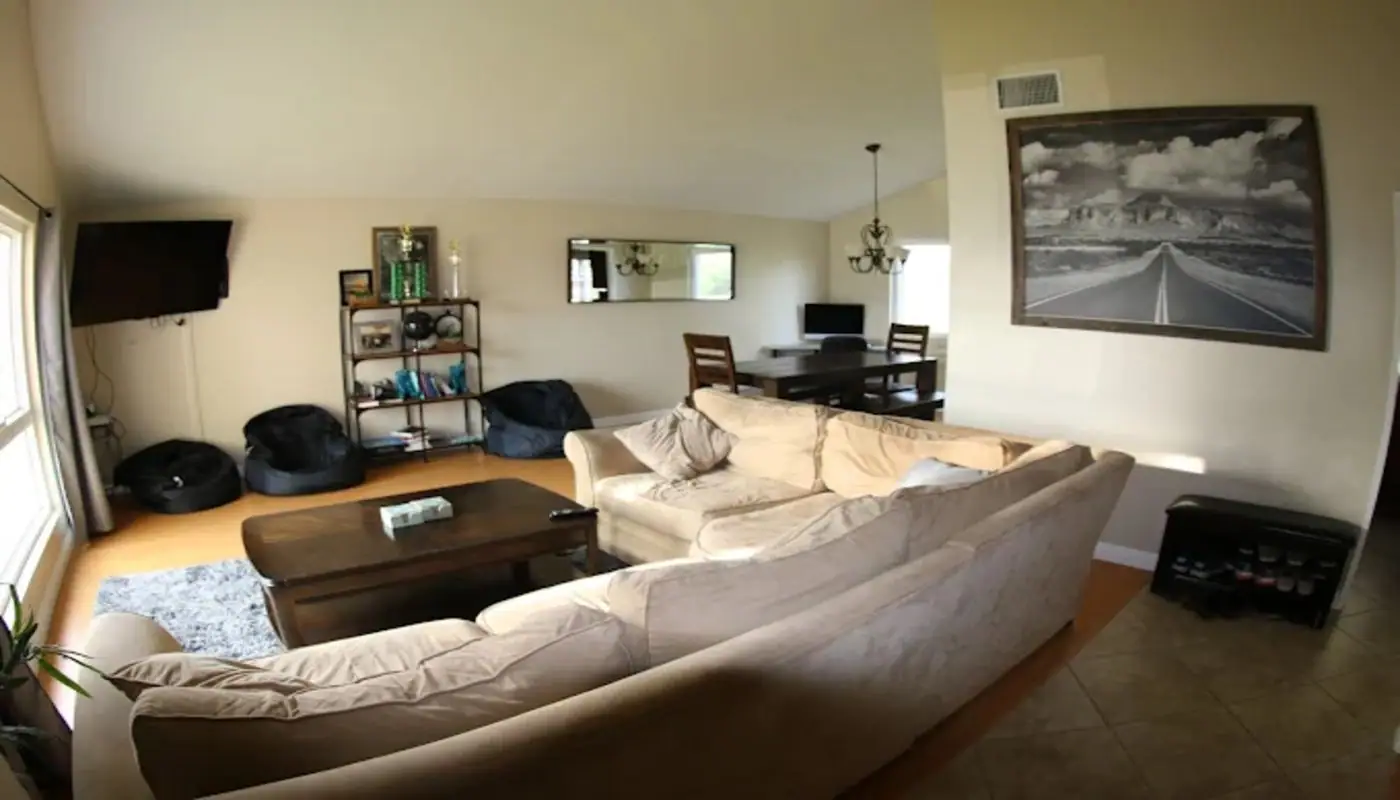
The space feels like a big house rather than a hospital unit. Teens pick a private or shared room with air conditioning, and a chef makes the meals. Between sessions they can use a pool, a fitness center, a basketball court, gardens and an outdoor lounge. A thorough assessment happens before treatment begins, and the plan that follows is revised as the teen's needs evolve. Families take part from the first meeting all the way through discharge planning.
Evolve Teen Treatment Encinitas
Evolve Teen Treatment Encinitas provides residential care for adolescents, and on-site detox is available when a teen needs it before starting the full program. Most stays last about 60 days. Treatment blends one-on-one counseling, cognitive behavioral therapy, family sessions and motivational interviewing, plus hands-on options like equine and art therapy. The weekly schedule also includes life skills and mindfulness, and every teen attends two hours of school on weekdays. When detox comes first, the clinical team explains to families how that phase is watched and where it fits within the 60-day stay.
Services are built for teens, including boys, girls and LGBTQ+ youth. The clinical team also treats co-occurring conditions, so a teen with anxiety, depression, OCD or ADHD and a substance use concern works on both at once. Families are involved, from therapy sessions through planning for discharge. When a teen has both a mental health diagnosis and a substance use concern, the dual-diagnosis program addresses them together rather than sequentially.
- Equine Therapy
- Life Skills
- Family Therapy
- Family Involvement
- Individual Treatment
- Motivational Interviewing
- Evidence-Based
- Experiential Therapy
- Cognitive Behavioral Therapy
- Strengths-Based
Who this Encinitas program serves
- Teens ages 12 to 17 with a mental health or substance use diagnosis
- Adolescents facing both conditions at the same time, including co-occurring disorders
- Boys, girls and LGBTQ+ teens
- Teens with mild disabilities or neurodivergent profiles, including high-functioning autism spectrum concerns
- Adolescents facing anxiety, depression, bipolar disorder, OCD, eating disorders or personality disorders
- Teens whose substance use involves alcohol, marijuana, drugs or prescription medications
The Dove Song house in Encinitas
The program operates from 985 Dove Song Way in Encinitas, a coastal town in San Diego County roughly 25 miles north of downtown San Diego. The home is spacious, with private or shared rooms, air conditioning and bathroom essentials provided. Outside, teens can use the pool, fitness center, basketball court, gardens and outdoor dining and lounge areas, with access to nature nearby. Chef-prepared meals, reading time, games, yoga and physical fitness fill out the days when therapy is not scheduled. If a family lives outside North County, then the coastal location may affect visit planning and discharge timing.
- Outdoor Dining
- Fitness Center
- Chef-prepared Meals
- Outdoor Lounge
- Gardens
- Pool
- Access to Nature
- Basketball Court
Paying for care at Dove Song
The center lists rates for out-of-pocket payment, and families should check current costs and any insurance acceptance with the program directly before planning. Since this is a residential level of care, the finances tend to differ from what outpatient services cost. If a teen needs detox first, ask how that phase gets billed on its own. When cost is a barrier, resources from San Diego County and state Medicaid can be part of the discussion. Our referral line can point you toward options, though it does not arrange admission or confirm coverage.
Questions to ask the program
- How does the team decide whether a teen needs detox before residential care begins?
- What does a typical 60-day stay look like week to week, including school hours?
- How often are treatment plans reviewed, and who is involved in those reviews?
- How does the program handle a teen with both a mental health diagnosis and substance use?
- What does discharge planning and family follow-up look like after the 60 days end?
- Is the Joint Commission accreditation current, and what does it cover here?

Other centers in Encinitas
-

Evolve Teen Treatment Center
4.0/58 visitor ratings on Google
Encinitas, CA · 45 days · 2-5 beds
Evolve Teen Treatment Center Encinitas is a residential program on Cole Ranch Road.
- Joint Commission
- Residential Rehab
- Detox
-

Brain Balance Center of Encinitas
5.0/56 visitor ratings on Google
Encinitas, CA · 28+ days
Brain Balance Center of Encinitas is an outpatient program in Encinitas, California.
- Outpatient
-

BOLD Health
4.0/534 visitor ratings on Google
Encinitas, CA · 5 days
Bold Health Encinitas is an outpatient center for substance use and mental health.
- Joint Commission
- Detox
- Outpatient
-

Encinitas Detox Center
Encinitas, CA · 30+ days · 2-5 beds
Encinitas Detox Center is a small residential program in Encinitas, California.
- Joint Commission
- Residential Rehab
- Co-Occurring Mental Health
- Detox
-
Casa Pacifica Sober Living
5.0/59 visitor ratings on Google
Encinitas, CA · 30 days
Casa Pacifica sober living Encinitas is a sober living home for men located in Encinitas, California.
- Sober Living
-

AToN Center
4.9/567 visitor ratings on Google
Encinitas, CA · 30+ days · 16-30 beds
AToN Center Encinitas is a Joint Commission-accredited addiction treatment facility in Encinitas, California.
- Joint Commission
- Residential Rehab
- Co-Occurring Mental Health
- Detox


Questions people ask
How many beds does Evolve Teen Treatment Encinitas have?
According to SAMHSA-listed details, the Dove Song home is a small setting with 2 to 5 beds, while the program itself describes room for as many as six teens between the ages of 12 and 17. A house that size allows for closer individual attention and plans that get reviewed often. When a residential bed is needed for your teen, contacting the program directly to check what is open right now makes sense, because small homes tend to fill fast.
Is detox available at this Encinitas teen program?
Yes. Detox is listed among the care options at Dove Song, which matters because withdrawal can carry medical risk for some substances and should be managed by clinical staff rather than at home. Teens who need that phase first can move into residential treatment afterward. Ask the program how detox is supervised and how it fits the 60-day timeline.
What therapies does the program use for teens?
The clinical team draws on cognitive behavioral therapy, motivational interviewing and family therapy, along with one-on-one counseling. Experiential choices include equine therapy, art therapy and other expressive work, plus life skills and mindfulness. Therapy follows the teen's assessment rather than being applied identically to everyone. With a dual diagnosis focus, mental health and substance use are addressed at the same time.
Does Evolve in Encinitas take insurance or Medicaid?
The program features cash pay rates in the list of payment methods, so families should ask the program directly about insurance and possible public funding. California Medicaid may cover certain behavioral health services for teens, but eligibility and covered levels of care vary. Request any quote in writing before you commit. Our helpline offers general resources but cannot promise coverage or admission.
Why do people commonly seek treatment at a rehab program?
People look for treatment for many reasons, such as concerns with alcohol, drugs, marijuana or prescription medication, and often for mental health needs that come alongside substance use, like anxiety or depression. A teen program such as Dove Song focuses on adolescents who are 12 to 17. When a teen is struggling with both substance use and mental health, a dual-diagnosis setting may be a good fit.